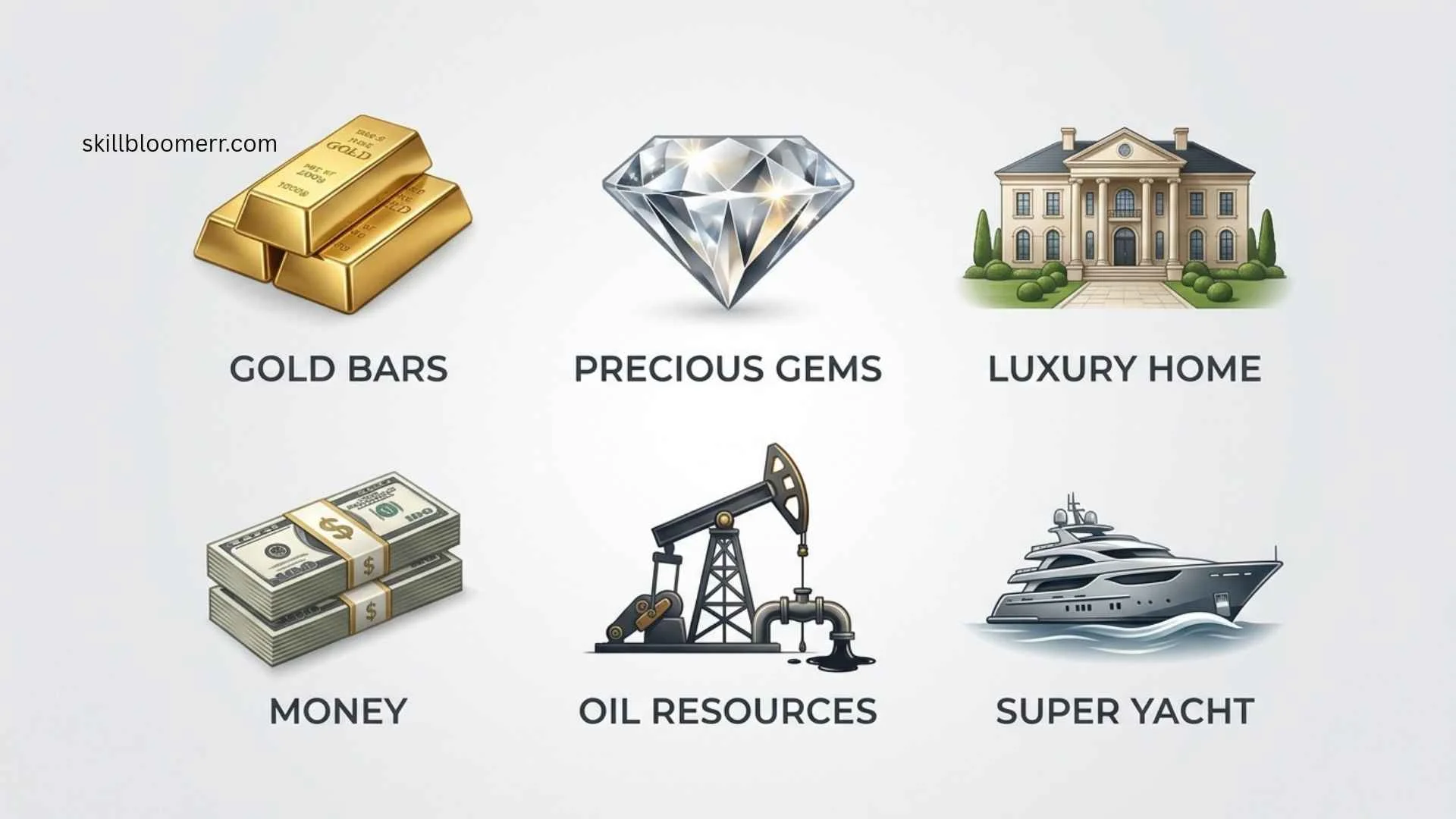
Wealth symbols represent ideas of prosperity, financial success, abundance, good fortune, and the desire for a better life. Throughout history, humans have used objects, signs, colors, animals, numbers, and designs to express hopes for wealth and attract positive energy.
These symbols appear in jewelry, art, architecture, business branding, currency, religious traditions, and everyday life.
From ancient coins and golden objects to modern icons like the dollar sign and prosperity charms, wealth symbols reveal how different societies understand money, success, and abundance. Some symbols represent actual financial power, while others carry cultural or spiritual meanings connected to luck, growth, and opportunity.
This guide explores the most important wealth symbols, their history, cultural meanings, spiritual interpretations, modern uses, and common misunderstandings.
Quick Meaning
Wealth symbols are visual signs, objects, or images associated with prosperity, financial success, abundance, good fortune, and economic growth. They include traditional symbols like gold, coins, lucky animals, and sacred designs that different cultures use to represent wealth, security, and opportunities for prosperity.
Symbol Overview Table
| Symbol Name | Primary Meaning | Category | Origin | Civilization or Culture | Common Usage | Modern Meaning |
| Gold | Wealth, value, success | Material Symbol | Ancient civilizations | Egyptian, Greek, Chinese, European | Jewelry, currency, awards | Luxury and achievement |
| Coins | Money and prosperity | Financial Symbol | Ancient economies | Roman, Chinese, Middle Eastern cultures | Currency, decorations | Financial stability |
| Dollar Sign ($) | Money and commerce | Economic Symbol | 18th century | United States | Business, finance, technology | Global wealth indicator |
| Chinese Wealth Symbol (福/Fu) | Good fortune and blessings | Cultural Symbol | Ancient China | Chinese culture | Homes, festivals, decorations | Luck and prosperity |
| Laughing Buddha | Happiness and abundance | Spiritual Symbol | Buddhist traditions | China, Japan, Southeast Asia | Homes, businesses | Prosperity and positivity |
| Elephant | Strength and good fortune | Animal Symbol | Ancient Asia and Africa | Hindu, Buddhist cultures | Art, jewelry | Stability and success |
| Four-Leaf Clover | Luck and opportunity | Nature Symbol | Celtic traditions | Ireland and Western cultures | Jewelry, gifts | Good fortune |
| Lotus Flower | Growth and prosperity | Spiritual Symbol | Ancient Asia | Hindu and Buddhist cultures | Art and meditation | Personal growth |
| Bamboo | Growth and wealth | Plant Symbol | East Asia | Chinese culture | Gardens, decorations | Long-term success |
What Does the Symbol Mean?
Wealth symbols represent humanity’s relationship with prosperity, resources, and success. They are not simply pictures or objects. They carry stories, beliefs, and cultural ideas about what people consider valuable.
The meaning of a wealth symbol depends on the society using it. A gold object may represent financial power in one culture, while representing purity, divine connection, or achievement in another.
Common meanings connected with wealth symbols include:
- Financial abundance
- Economic success
- Business growth
- Good luck
- Security and stability
- Opportunity
- Personal achievement
- Social status
- Generational prosperity
A symbol itself does not create wealth. Instead, it represents human hopes, goals, and values connected with prosperity.
For example, a gold ring may symbolize luxury and success, while a coin placed in a home decoration may represent wishes for financial growth. The importance comes from the meaning people attach to the symbol.
History and Origin
Ancient Civilizations and Wealth Symbols
The use of wealth symbols dates back thousands of years. Ancient civilizations created symbols to represent power, abundance, and economic importance.
In ancient Egypt, gold was one of the strongest wealth symbols. Egyptians associated gold with the sun, immortality, and divine power. Pharaohs used gold in jewelry, burial objects, and temples because it represented eternal value.
Ancient Rome used coins not only as currency but also as symbols of political authority and prosperity. Roman coins displayed emperors, gods, and important events, showing how wealth and power were connected.
In ancient China, symbols of prosperity developed through cultural traditions and philosophies. Objects such as coins, jade, bamboo, and certain characters became associated with fortune, success, and harmony.
Evolution Through Trade and Commerce
As trade expanded around the world, wealth symbols changed. Precious metals, gemstones, and currencies became universal signs of economic strength.
Gold became valuable because it was:
- Rare
- Durable
- Easy to recognize
- Resistant to damage
- Useful for decoration and exchange
Coins became powerful symbols because they represented organized economies and trade networks.
Over time, symbols moved from physical wealth to abstract ideas. Modern symbols like currency signs represent entire financial systems rather than individual objects.
Modern Development of Wealth Symbols
Today, wealth symbols appear in:
- Corporate logos
- Investment branding
- Luxury products
- Digital platforms
- Financial technology
- Personal development culture
Modern society often combines traditional symbols with contemporary ideas of success, entrepreneurship, and financial independence.
Symbolism and Interpretation
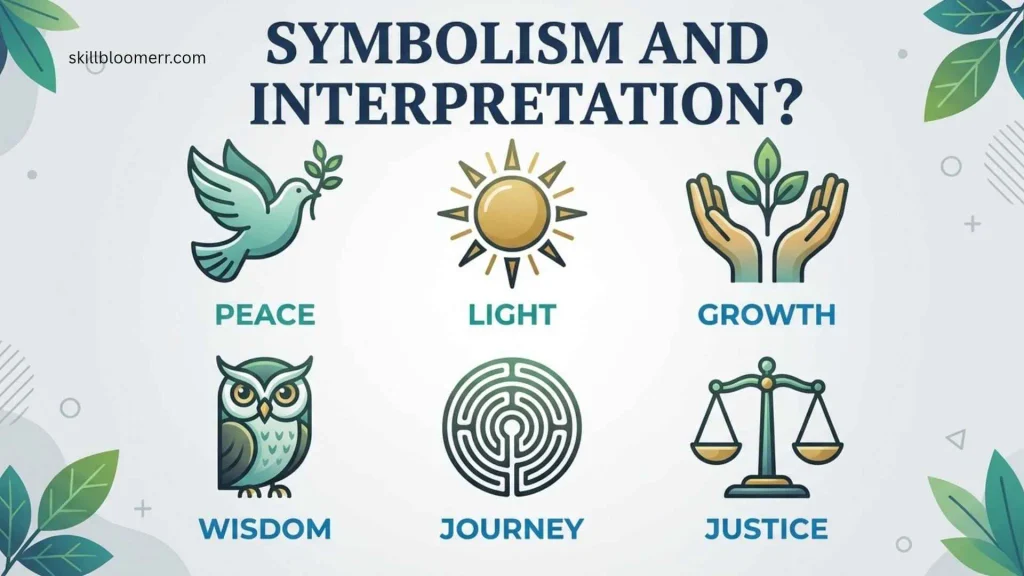
Traditional Meanings
Traditional wealth symbols often focus on attracting good fortune and protecting resources.
Examples include:
Gold: Represents wealth, achievement, and lasting value.
Coins: Represent financial circulation and prosperity.
Elephants: Symbolize strength, wisdom, and stable success.
Bamboo: Represents continuous growth because of its fast development.
Lotus: Represents rising above difficulties and achieving success.
Modern Meanings
Today, wealth symbols often represent more than money. They can symbolize:
- Ambition
- Hard work
- Freedom
- Achievement
- Personal growth
- Business success
For many people, a wealth symbol serves as a reminder of goals rather than a magical object.
Positive Symbolism
Positive interpretations include:
- Hope for a better future
- Motivation to succeed
- Appreciation for abundance
- Gratitude for resources
- Confidence in achieving goals
Negative Symbolism
Some wealth symbols can also have negative interpretations.
For example:
- Excessive focus on money may represent greed.
- Luxury symbols may represent inequality or status competition.
- Wealth displays may sometimes symbolize materialism.
The meaning depends heavily on context.
Psychological Interpretation
Psychologically, wealth symbols can influence motivation and personal identity. A person who keeps a symbol of success nearby may use it as a visual reminder of financial goals.
Symbols work through association. When people repeatedly connect an image with success, that image can reinforce certain thoughts and behaviors.
Different cultures interpret wealth symbols according to their history, religion, and social values.
Chinese Culture
Chinese traditions contain many wealth-related symbols.
Common examples include:
- Chinese coins with square holes
- The character 福 (Fu), meaning fortune or blessings
- The golden ingot symbol
- Lucky animals such as dragons and fish
The concept of prosperity in Chinese culture often connects wealth with harmony, family success, and good fortune.
Indian Culture
Indian traditions include many prosperity symbols connected with Hindu beliefs.
Examples include:
- Lotus flower
- Goddess Lakshmi symbolism
- Elephant imagery
- Gold jewelry
The lotus is especially important because it represents purity, growth, and spiritual prosperity.
Western Culture
Western societies often connect wealth symbols with:
- Gold
- Diamonds
- Money signs
- Luxury brands
- Crowns
- Precious metals
The dollar sign ($) has become one of the most recognizable financial symbols worldwide.
African Cultures
Many African cultures use symbols representing abundance, community, and success.
Traditional symbols may represent:
- Harvest
- Fertility
- Family prosperity
- Social achievement
Wealth is often viewed not only as personal ownership but also as the ability to support a community.
Religious or Spiritual Meaning
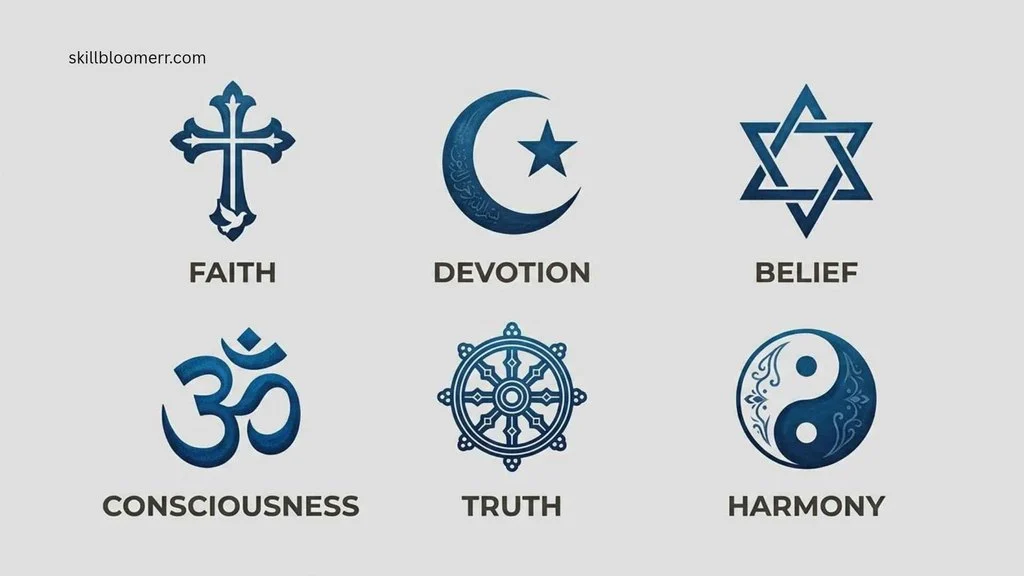
Many wealth symbols have spiritual connections because ancient societies often linked prosperity with blessings, divine favor, and balance.
Hindu Traditions
In Hinduism, prosperity is strongly associated with Lakshmi, the goddess of wealth, fortune, and abundance.
Symbols connected with prosperity include:
- Lotus flower
- Gold coins
- Elephants
- Lamps
These symbols often represent both material and spiritual abundance.
Buddhism
In Buddhist traditions, wealth symbols are often connected with generosity, wisdom, and positive energy.
The Laughing Buddha is commonly associated with happiness and abundance, especially in East Asian cultures.
Feng Shui Traditions
In Feng Shui practices, certain objects are traditionally believed to encourage positive energy related to prosperity.
Examples include:
- Wealth bowls
- Coins
- Bamboo plants
- Water features
These practices are cultural traditions and interpretations rather than scientifically proven methods.
Where Wealth Symbols Are Used
Wealth symbols appear in many areas of life.
Jewelry
Gold rings, gemstone jewelry, and symbolic charms are commonly worn to represent success, prosperity, or personal goals.
Business and Branding
Companies use wealth-related imagery to communicate:
- Trust
- Luxury
- Stability
- Success
Examples include gold colors, crowns, shields, and upward designs.
Architecture
Historical buildings often use expensive materials and decorative designs to display wealth and power.
Examples:
- Golden decorations
- Large entrances
- Luxury materials
- Ornamental designs
Currency
Money itself contains powerful wealth symbols.
Examples include:
- National leaders
- Important historical figures
- National symbols
- Numbers representing value
Art and Literature
Artists and writers frequently use wealth symbols to explore themes such as:
- Success
- Desire
- Power
- Greed
- Social inequality
Common Variations
Wealth symbols appear in many different forms.
Color Variations
Colors commonly associated with wealth include:
Gold: Luxury, achievement, value
Green: Growth, money, renewal
Purple: Royalty and status
Red: Energy, luck, success in some cultures
Animal Variations
Animals often connected with prosperity include:
- Dragon
- Elephant
- Fish
- Horse
- Turtle
Their meanings differ by culture.
Modern Adaptations
Modern wealth symbols include:
- Cryptocurrency icons
- Investment charts
- Digital wallet symbols
- Business growth arrows
These reflect changing ideas about money and success.
Common Misconceptions
Wealth Symbols Automatically Create Money
A common misunderstanding is that owning a wealth symbol guarantees financial success.
Symbols represent ideas and beliefs. They do not replace:
- Planning
- Saving
- Education
- Hard work
- Responsible decisions
All Cultures Interpret Symbols the Same Way
Meanings change across regions. A symbol considered lucky in one culture may have a different meaning elsewhere.
Wealth Symbols Only Represent Materialism
Many wealth symbols also represent:
- Growth
- Security
- Generosity
- Achievement
- Balance
Interesting Facts About Wealth Symbols
- Gold has been valued by humans for thousands of years.
Its rarity and durability helped make it a universal symbol of wealth. - Coins were once political symbols.
Ancient rulers used coins to display authority and influence. - The dollar sign became a global money symbol.
Although connected with US currency, it is widely recognized internationally. - Lotus symbolism combines material and spiritual ideas.
It represents growth through challenges. - Elephants are prosperity symbols in many Asian traditions.
They often represent wisdom, strength, and stability. - Bamboo represents continuous growth.
Its natural ability to grow quickly made it a symbol of progress. - Luxury brands frequently use gold colors.
Gold visually communicates value and exclusivity. - Money symbols influence modern design.
Businesses often use prosperity imagery to communicate success. - Wealth symbols appear in wedding traditions.
Many cultures use gold and valuable objects to represent future prosperity. - Ancient and modern wealth symbols share similar themes.
Both focus on security, success, and abundance.
Related Symbols
Gold Symbol
Gold represents value, luxury, and achievement. It is one of the oldest wealth symbols.
Money Symbol ($)
The dollar sign represents currency, trade, and financial systems.
Crown Symbol
Crowns traditionally represent royalty, authority, and high status.
Dragon Symbol
In many Asian cultures, dragons represent power, fortune, and success.
Tree of Life Symbol
The tree of life often represents growth, connection, and abundance.
Frequently Asked Questions
What is the most common symbol of wealth?
Gold is one of the most widely recognized wealth symbols worldwide. Its rarity, beauty, and historical use in currency and luxury items have made it a universal representation of value and prosperity.
What symbols represent financial success?
Common financial success symbols include gold, coins, dollar signs, upward arrows, crowns, and certain animals such as elephants and dragons. Their meanings depend on cultural traditions and personal beliefs.
Are wealth symbols religious?
Some wealth symbols have religious connections, especially in Hinduism, Buddhism, and other spiritual traditions. Others are mainly cultural, historical, or economic symbols.
What color symbolizes wealth?
Gold is the most common wealth color because it represents luxury and value. Green is also associated with money and growth, especially in Western cultures.
Why is gold considered a wealth symbol?
Gold became a wealth symbol because it is rare, durable, attractive, and historically used for currency, jewelry, and important objects.
Do wealth symbols bring good luck?
Many cultures believe certain symbols encourage good fortune. However, these beliefs are cultural traditions rather than scientifically proven methods for creating wealth.
What animal symbolizes wealth?
Animals such as elephants, dragons, fish, and horses are often connected with prosperity in different cultures. Their meanings vary depending on regional traditions.
What symbol represents abundance?
Symbols such as the lotus flower, tree of life, cornucopia, and overflowing bowls often represent abundance and growth.
Are money symbols the same worldwide?
No. Different countries use different currency symbols and cultural images to represent financial value.
Can wealth symbols be used in business branding?
Yes. Businesses often use wealth-related colors, shapes, and images to communicate trust, quality, luxury, and success.
Key Takeaways
- Wealth symbols represent prosperity, abundance, success, and financial security.
- Gold, coins, currency signs, and lucky objects are among the most recognized wealth symbols.
- Different cultures give different meanings to prosperity symbols.
- Many wealth symbols represent personal growth as well as money.
- Symbols are reminders of goals and values, not guaranteed sources of wealth.
- Historical traditions continue influencing modern wealth imagery.
Conclusion
Wealth symbols are powerful expressions of human hopes, values, and ideas about prosperity. From ancient gold treasures to modern financial icons, these symbols show how societies understand success and abundance.
Although wealth symbols do not create financial success by themselves, they carry important cultural meanings. They remind people of ambition, growth, opportunity, and the desire for a secure future.
Understanding wealth symbols helps us appreciate the connection between history, culture, spirituality, art, and the way humans communicate ideas of prosperity.

I’m Nathaniel Brooks, an educational writer who loves exploring ideas and making useful knowledge accessible to everyone. I write for SkillBloomerr with a focus on clear explanations, practical tips, and meaningful learning. My goal is to help readers discover something valuable every time they visit the site.
Books: Learn Something New and The Practical Knowledge Handbook
 Olivia Hartwell