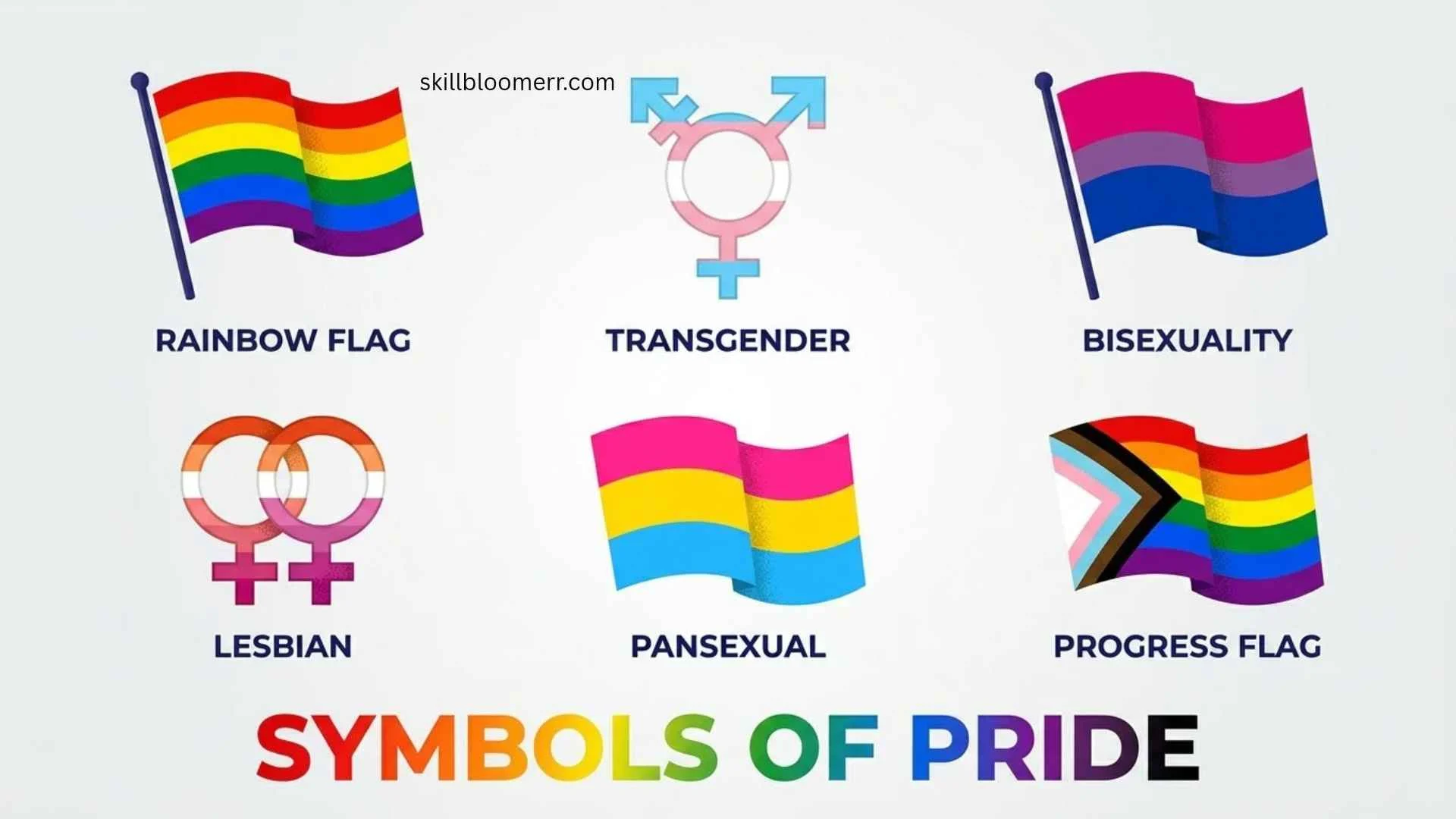
Symbols of pride represent identity, achievement, dignity, confidence, and the celebration of personal or collective values. These symbols appear in flags, artwork, jewelry, tattoos, literature, social movements, cultural traditions, and everyday expressions.
They help people communicate powerful ideas without using words.
The meaning of pride symbols can change depending on culture, history, and personal experience. A symbol that represents honor and courage in one society may represent identity, resistance, or belonging in another.
Understanding these meanings helps us appreciate why humans use symbols to express who they are.
In this complete guide to symbols of pride, you will discover their origins, historical development, cultural interpretations, spiritual connections, modern uses, common misunderstandings, and the deeper messages these symbols carry.
Quick Meaning of Symbols of Pride
Symbols of pride are visual signs that express confidence, dignity, achievement, identity, belonging, or respect for a person, group, culture, or cause. Common examples include lions, crowns, flags, eagles, rainbows, laurel wreaths, raised fists, and national emblems. Their meanings depend on historical and cultural context.
Symbol Overview Table
| Symbol Name | Primary Meaning | Category | Origin | Culture or Civilization | First Known Use | Common Usage | Modern Meaning |
| Lion | Courage, strength, leadership | Animal Symbol | Ancient civilizations | Egypt, Greece, Europe, Asia | Ancient period | Heraldry, logos, flags | Confidence and power |
| Crown | Authority, achievement, honor | Royal Symbol | Ancient kingdoms | Europe, Middle East, Asia | Ancient period | Royal imagery, awards | Success and excellence |
| Eagle | Freedom, vision, strength | Animal Symbol | Ancient mythology | Rome, Native cultures, nations worldwide | Ancient period | Flags, seals, emblems | Independence and ambition |
| Laurel Wreath | Victory, accomplishment | Plant Symbol | Ancient Greece and Rome | Greek and Roman cultures | Classical era | Awards, ceremonies | Achievement and recognition |
| Rainbow | Diversity, hope, unity | Color Symbol | Ancient symbolism; modern movements | Global cultures | Ancient references | Art, flags, movements | Inclusion and identity |
| Raised Fist | Resistance, solidarity, empowerment | Gesture Symbol | Modern political movements | Global movements | 20th century | Social movements | Strength through unity |
| Flag | Identity, heritage, pride | National Symbol | Ancient banners | Worldwide cultures | Ancient civilizations | Nations and communities | Belonging and identity |
| Dragon | Power, wisdom, protection | Mythical Symbol | Ancient mythology | China and East Asia | Ancient period | Art, festivals | Strength and cultural pride |
What Do Symbols of Pride Mean?
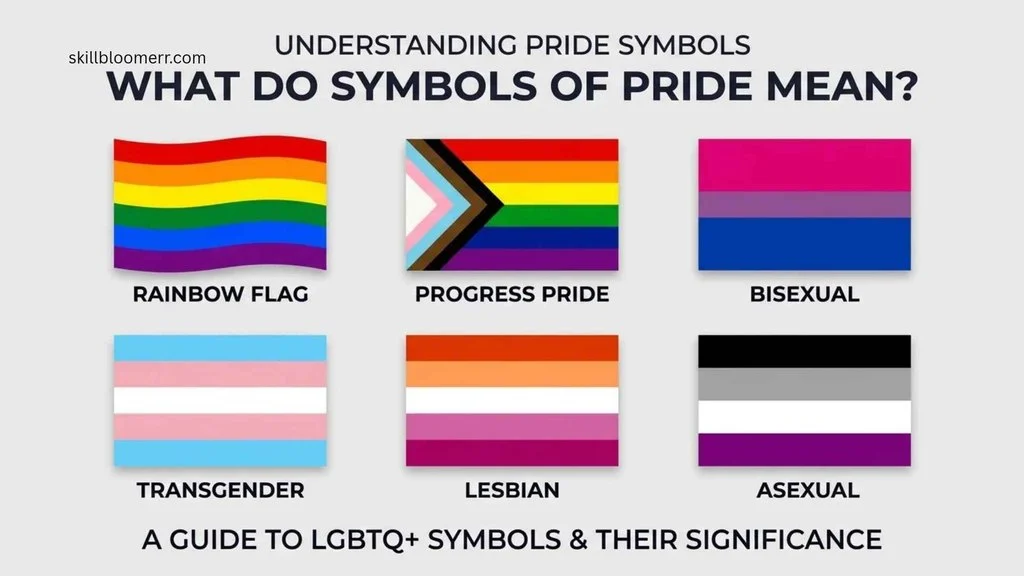
Symbols of pride communicate feelings and ideas that are difficult to express through ordinary language. They act as visual messages that tell stories about identity, history, achievements, values, and beliefs.
A symbol of pride does not always mean arrogance or superiority. In many contexts, pride represents healthy self-respect, appreciation of heritage, personal growth, or recognition of accomplishments.
For example:
- A medal symbolizes achievement and dedication.
- A national flag represents connection to a country and shared history.
- A family crest can represent ancestry and tradition.
- A cultural symbol may preserve the memory of past generations.
The meaning of pride depends on the intention behind the symbol and the community using it.
Positive Meanings Associated With Pride Symbols
Many pride symbols represent:
- Confidence
- Courage
- Honor
- Achievement
- Self-respect
- Unity
- Freedom
- Cultural identity
- Personal growth
- Hope
These meanings appear across different societies because humans naturally use symbols to celebrate important values.
Why Humans Use Pride Symbols
Symbols are powerful because they create immediate emotional connections. A person may feel inspired when seeing a national flag, a championship trophy, or a family emblem because the symbol represents memories, struggles, victories, and shared experiences.
Symbols also help preserve history. They allow future generations to understand what previous generations valued.
History and Origin of Pride Symbols
The use of pride symbols began thousands of years ago when early civilizations created visual signs to represent power, belonging, and achievement.
Ancient societies used animals, plants, objects, and colors as symbolic language. These images appeared on buildings, weapons, clothing, coins, and religious objects.
Ancient Civilizations and Pride Symbols
Ancient Egypt
Ancient Egyptians used powerful symbols to represent strength, protection, and divine connection. Animals such as lions and falcons appeared frequently in Egyptian art.
The falcon, especially connected with the god Horus, represented kingship, protection, and authority.
Ancient Greece
Greek civilization connected pride with achievement and excellence. The laurel wreath became a major symbol of victory because it was awarded to successful athletes, leaders, and poets.
The concept of striving for excellence influenced later ideas of personal pride.
Ancient Rome
Romans adopted many Greek symbols and developed their own systems of honor and recognition.
The eagle became one of Rome’s strongest symbols, representing military power, authority, and imperial identity.
Medieval Europe
During medieval times, heraldic symbols became important. Noble families used coats of arms featuring animals, colors, and objects to represent family history and reputation.
Common heraldic pride symbols included:
- Lions for bravery
- Eagles for leadership
- Shields for protection
- Crowns for authority
Modern Era
Today, pride symbols appear in many areas of life, including:
- Cultural celebrations
- Sports
- Social movements
- Businesses
- Personal expression
- Digital communication
Modern symbols often combine historical meanings with new interpretations.
Symbolism and Interpretation of Pride Symbols
Symbols of pride can have multiple meanings depending on who uses them and where they appear.
Traditional Interpretations
Traditional pride symbols often focused on:
- Leadership
- Royal power
- Military success
- Family honor
- Religious devotion
- National identity
For example, a crown traditionally represented monarchy and authority, while a lion represented courage and strength.
Modern Interpretations
Modern society often uses pride symbols in broader ways.
A lion tattoo may represent personal courage rather than royalty. A rainbow may represent hope, diversity, or unity. A mountain symbol may represent overcoming challenges.
The same symbol can become personal depending on someone’s life experiences.
Psychological Meaning of Pride Symbols
From a psychological perspective, symbols help people create identity and communicate belonging.
A meaningful symbol can:
- Increase feelings of connection
- Reinforce personal values
- Create emotional memories
- Provide motivation
- Represent personal achievements
People often choose symbols because they reflect qualities they admire or want to express.
Cultural Significance of Pride Symbols
Different cultures interpret pride symbols through their own histories, traditions, and beliefs.
Western Cultural Interpretations
In many Western cultures:
- Eagles represent freedom and independence.
- Lions represent bravery and leadership.
- Crowns represent achievement and excellence.
- Laurel wreaths represent victory.
These symbols appear in government seals, sports awards, universities, and organizations.
Asian Cultural Interpretations
Asian cultures have many unique pride symbols.
In Chinese culture:
- Dragons represent power, wisdom, and good fortune.
- The phoenix represents renewal and prosperity.
- The lotus represents purity and spiritual growth.
These symbols often connect personal pride with harmony and tradition.
Indigenous Cultural Interpretations
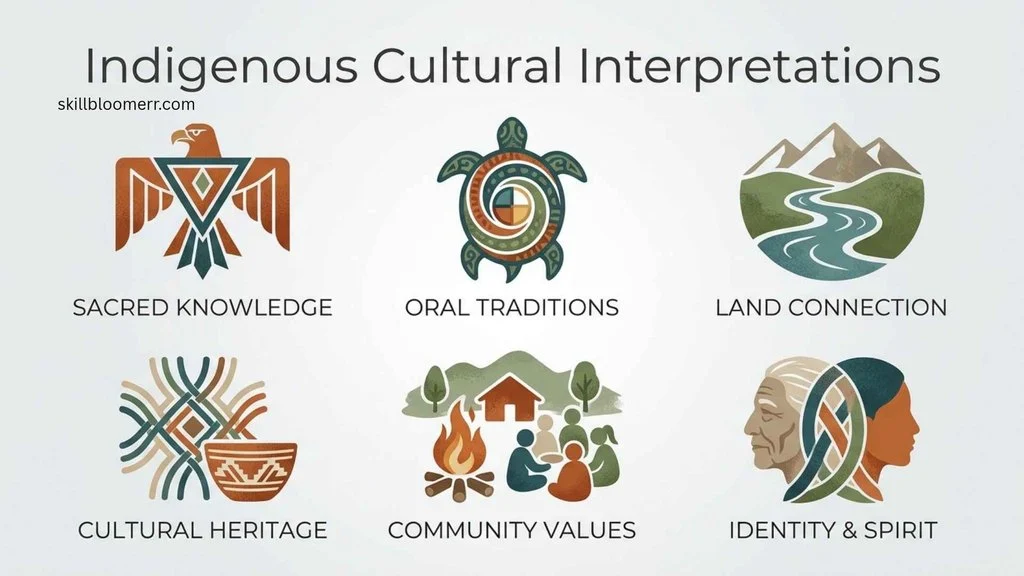
Many Indigenous cultures use symbols connected to nature, ancestors, animals, and spiritual relationships.
Animals may represent:
- Protection
- Wisdom
- Guidance
- Community values
The meaning of these symbols should always be understood within the specific culture that created them.
Religious or Spiritual Meaning of Pride Symbols
Many pride symbols have spiritual connections because humans have long used imagery to express faith and devotion.
Lions in Religious Symbolism
The lion appears in several religious traditions.
In Christianity, the lion is associated with strength and royalty. The phrase “Lion of Judah” represents a powerful religious symbol connected with biblical tradition.
Lotus Symbolism
In Buddhism and Hindu traditions, the lotus represents:
- Spiritual awakening
- Purity
- Growth
- Transformation
The flower grows from muddy water, making it a symbol of overcoming difficulties.
Light Symbols
Light is often used spiritually to represent:
- Knowledge
- Hope
- Truth
- Divine guidance
Candles, stars, and rays of light frequently appear in religious artwork.
Where Symbols of Pride Are Used
Symbols of pride appear in many areas of human life.
Flags
Flags are among the strongest pride symbols because they represent collective identity.
They may symbolize:
- National history
- Cultural heritage
- Independence
- Shared values
Jewelry
People wear symbolic jewelry to express:
- Personal achievements
- Family connections
- Beliefs
- Identity
Examples include rings, necklaces, bracelets, and pendants featuring meaningful symbols.
Tattoos
Pride symbols are commonly used in tattoos because they create permanent personal expressions.
Popular choices include:
- Lions
- Eagles
- Crowns
- Flowers
- Cultural symbols
- Religious icons
Logos and Branding
Companies use pride symbols to communicate values.
Examples:
- Lions for strength
- Mountains for adventure
- Shields for trust
- Eagles for freedom
Literature and Art
Writers and artists use pride symbols to communicate deeper ideas.
A crown in a story may represent ambition. A broken sword may represent lost honor. A rising sun may symbolize hope.
Common Variations of Pride Symbols
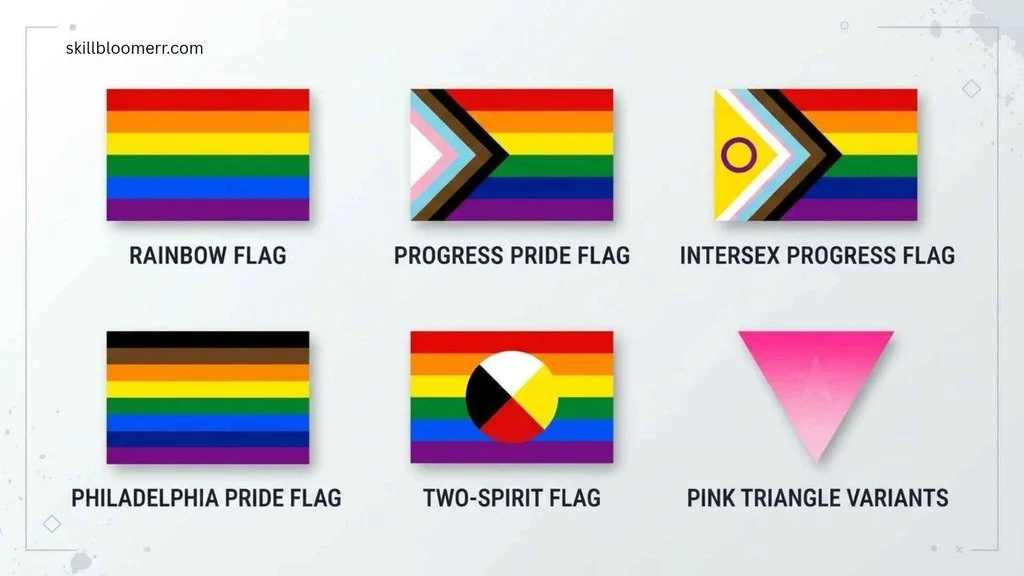
Symbols often change depending on artistic style and cultural interpretation.
Animal Variations
Animal symbols may appear as:
- Realistic illustrations
- Mythical creatures
- Abstract designs
- Minimal icons
A lion may appear fierce in one design and peaceful in another.
Color Variations
Colors strongly influence symbolic meaning.
Examples:
- Gold often represents success and achievement.
- Blue can represent loyalty and trust.
- Red may symbolize courage and passion.
- Green often represents growth and renewal.
Modern Digital Variations
Today, symbols appear as:
- Emojis
- Digital icons
- Social media graphics
- Avatars
- Online badges
Digital culture has expanded how people use symbols to communicate.
Common Misconceptions About Pride Symbols
Pride Symbols Always Mean Arrogance
This is incorrect. Pride can represent healthy confidence, achievement, and appreciation.
Every Symbol Has One Fixed Meaning
Symbols change meaning depending on:
- Culture
- Time period
- Personal interpretation
- Location
Ancient Symbols Have Only One Meaning
Ancient symbols often had multiple interpretations. Their meanings developed through centuries of use.
A Symbol’s Meaning Is Universal
A symbol respected in one culture may have a different meaning elsewhere.
Understanding context is essential.
Interesting Facts About Symbols of Pride
- The lion has been used as a symbol of power for thousands of years across Africa, Europe, and Asia.
- Laurel wreaths from ancient Greece influenced modern award designs and academic traditions.
- Eagles appear on many national emblems because they are associated with vision and strength.
- Crowns symbolize more than royalty today. They are also used for achievement, beauty competitions, and personal success.
- Dragons have different meanings worldwide. In some cultures they represent wisdom and good fortune, while others associate them with danger.
- Colors can completely change a symbol’s meaning. The same image may communicate different ideas depending on its color.
- Family coats of arms developed into modern logos and identity systems.
- Symbols often survive longer than languages because images can cross cultural and language barriers.
- Tattoos are one of the oldest personal methods of carrying symbolic meanings.
- Many national symbols combine multiple images to tell a country’s story.
Related Symbols
Symbols of Strength
Examples include:
- Lion
- Bear
- Oak tree
- Mountain
These focus on endurance and power.
Symbols of Freedom
Examples include:
- Eagle
- Open wings
- Torch
- Broken chains
These represent independence and liberation.
Symbols of Victory
Examples include:
- Laurel wreath
- Trophy
- Crown
- Medal
These represent achievement and success.
Symbols of Identity
Examples include:
- Flags
- Family crests
- Cultural patterns
- Traditional clothing designs
These represent belonging and heritage.
Frequently Asked Questions
What is the most common symbol of pride?
The most common pride symbols depend on culture and purpose. Globally recognized examples include flags, lions, crowns, eagles, and laurel wreaths. These symbols are widely used because they represent identity, achievement, strength, and honor.
What animal represents pride?
Several animals represent pride, including lions, eagles, horses, and dragons. Lions are especially common because they are associated with courage, leadership, and royalty in many cultures.
Are pride symbols always positive?
Not always. Most pride symbols represent positive qualities, but meanings depend on context. A symbol connected with power or authority may be viewed differently by different groups or historical periods.
Why do people wear pride symbols?
People wear pride symbols to express identity, achievements, beliefs, cultural connections, or personal values. Jewelry, clothing, and tattoos allow individuals to communicate meaningful ideas visually.
What flower symbolizes pride?
Several flowers can represent pride. The lotus symbolizes growth and achievement in many Asian traditions, while laurel represents victory and honor.
What color represents pride?
Colors associated with pride vary widely. Gold often represents achievement, purple can represent dignity and royalty, and rainbow colors are commonly associated with diversity and unity.
Can the same symbol have different meanings?
Yes. Symbols are shaped by history and culture. A dragon, for example, may represent good fortune in one culture and danger in another.
Are symbols of pride used in religion?
Yes. Many religious traditions use symbols connected with honor, devotion, spiritual growth, and divine power.
How do people choose a meaningful pride symbol?
People often choose symbols based on personal experiences, cultural background, values, achievements, or qualities they want to represent.
Why are symbols important in human society?
Symbols help people communicate complex ideas quickly. They preserve history, strengthen identity, and connect individuals with communities and traditions.
Key Takeaways
- Symbols of pride represent identity, achievement, confidence, and belonging.
- Their meanings change across cultures and historical periods.
- Ancient civilizations used symbols to express power, honor, and spiritual ideas.
- Lions, eagles, crowns, flags, and laurel wreaths are among the most recognized pride symbols.
- A symbol’s meaning depends on context, culture, and personal interpretation.
- Pride symbols appear in art, religion, technology, fashion, and everyday life.
- Understanding symbolism helps people appreciate different cultures and traditions.
Conclusion
Symbols of pride are powerful reminders of human achievements, identities, beliefs, and connections. From ancient civilizations using lions and eagles to modern communities using flags and personal designs, these symbols continue to tell stories without words.
The meaning behind symbols of pride is not limited to one definition. Each symbol carries layers of history, culture, emotion, and personal significance. By understanding these meanings, we gain a deeper appreciation for how humans express courage, belonging, honor, and hope through visual language.

I’m Nathaniel Brooks, an educational writer who loves exploring ideas and making useful knowledge accessible to everyone. I write for SkillBloomerr with a focus on clear explanations, practical tips, and meaningful learning. My goal is to help readers discover something valuable every time they visit the site.
Books: Learn Something New and The Practical Knowledge Handbook
 Olivia Hartwell