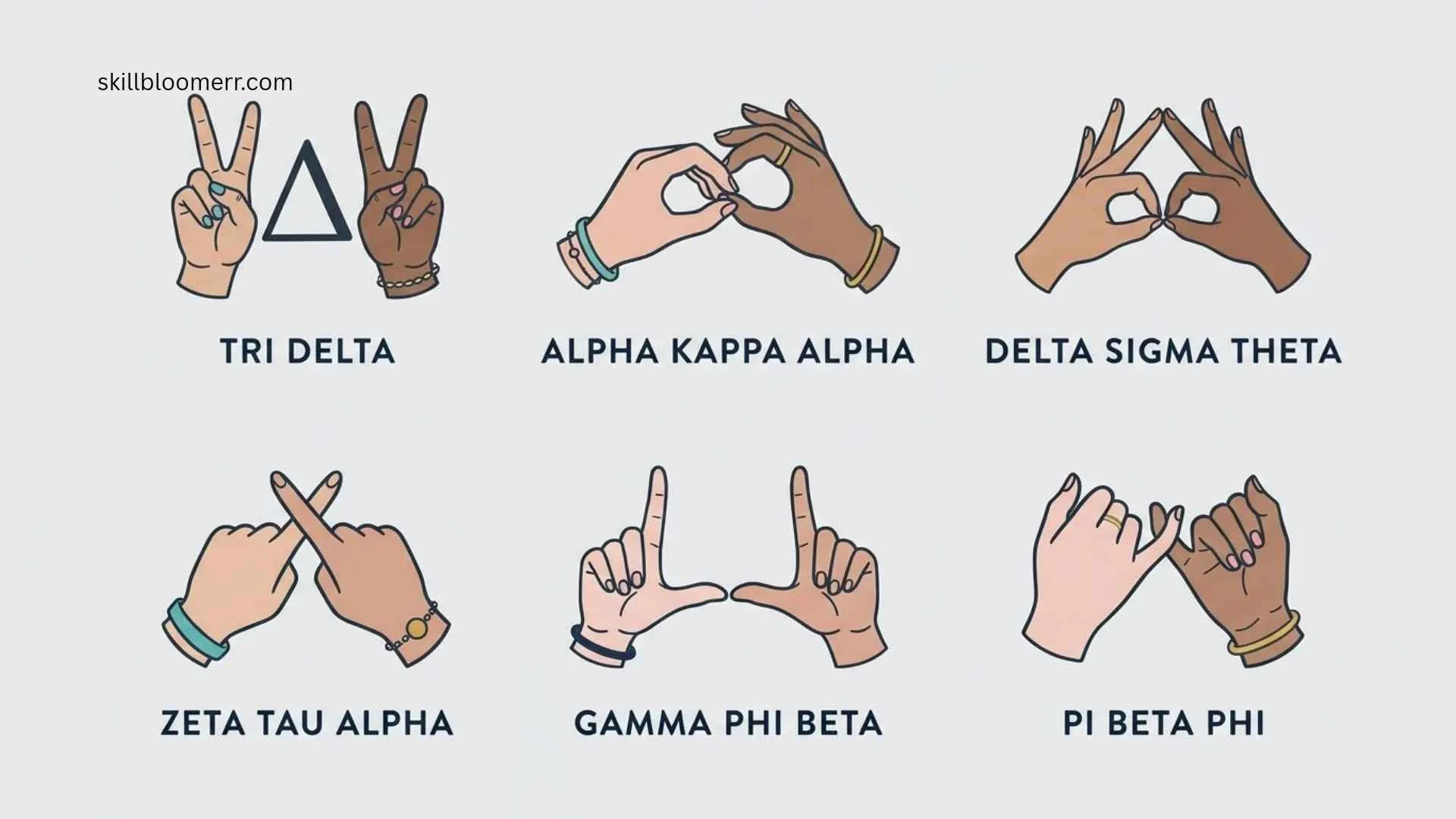
Sorority hand symbols are meaningful gestures used by members of Greek-letter organizations to represent identity, sisterhood, unity, and shared values. These symbols are often seen during college events, graduation photos, chapter celebrations, social media posts, and community activities.
A simple hand gesture can communicate a deeper connection between members of a sorority. While outsiders may see these signs as ordinary poses, members often recognize them as representations of organizational history, traditions, and personal bonds.
This complete guide explains sorority hand symbols, including their meanings, origins, cultural importance, common uses, variations, and the reasons these gestures remain important in modern Greek life.
Quick Meaning of Sorority Hand Symbols
Sorority hand symbols are gestures used by members of sororities to show affiliation, pride, unity, and connection. These signs may represent Greek letters, organizational values, chapter identity, or traditions passed between generations of members.
Sorority Hand Symbols Overview Table
| Symbol Feature | Details |
| Symbol Name | Sorority Hand Symbols |
| Primary Meaning | Sisterhood, membership, unity, and organizational identity |
| Category | Cultural and social symbols |
| Origin | American Greek-letter organizations |
| Culture | College Greek life, including historically Black Greek-letter organizations |
| Historical Development | Expanded through collegiate sororities during the 19th and 20th centuries |
| Common Usage | Campus events, photographs, ceremonies, social media, and reunions |
| Modern Meaning | Community, empowerment, friendship, and belonging |
| Symbol Type | Hand gesture and visual identity symbol |
| Related Symbols | Greek letters, colors, crests, shields, mascots, and organizational jewelry |
What Do Sorority Hand Symbols Mean?

Sorority hand symbols represent a visible connection between members of the same organization. Their meaning depends on the specific sorority, chapter traditions, and cultural background.
Unlike universal symbols such as a heart or peace sign, sorority hand gestures usually have organization-specific meanings. A gesture that represents one sorority may have no connection to another group.
Common meanings include:
- Sisterhood and friendship
- Organizational pride
- Loyalty to shared values
- Academic achievement
- Community service
- Personal growth
- Historical connection
For many members, the gesture is a reminder of their experiences, relationships, and commitments within the sorority.
A Symbol of Belonging
One of the strongest meanings behind sorority hand signs is belonging. College can be a major transition period, and Greek organizations often provide students with communities where they build friendships and leadership skills.
A hand symbol allows members to recognize one another quickly, especially during large events where many people are present.
For example, during a university graduation ceremony, members may use their organization’s gesture in photographs to celebrate their achievement while showing their connection to their sorority.
A Way to Express Shared Values
Sororities are built around principles such as:
- Scholarship
- Leadership
- Service
- Friendship
- Personal development
Hand symbols often become visual reminders of these ideals. The gesture itself may not explain the entire philosophy of the organization, but it represents the values members associate with their experience.
History and Origin of Sorority Hand Symbols
The Beginning of Greek-Letter Organizations
The history of sorority symbols is connected to the development of American Greek-letter societies.
The first sororities appeared in the 19th century as women sought opportunities for academic support, friendship, and leadership at colleges where women were gaining greater access to higher education.
The first known sorority, Kappa Alpha Theta, was founded in 1870 at Indiana Asbury University, now known as DePauw University.
Early Greek organizations developed:
- Greek letter names
- Colors
- Mottoes
- Badges
- Crests
- Ritual traditions
These symbols helped create strong organizational identities.
Development of Hand Gestures
Hand gestures developed gradually as members looked for additional ways to express connection.
Over time, sorority members used visual expressions during:
- Campus gatherings
- Group photographs
- Social events
- Performances
- Conferences
These gestures became another layer of communication alongside official symbols such as letters and emblems.
Growth During the 20th Century
During the 20th century, Greek organizations expanded across many American universities. As membership grew, symbols became important tools for maintaining identity among thousands of members.
Hand gestures allowed members to express:
- Chapter membership
- Alumni connections
- Organizational pride
- Cultural identity
The growth of photography and later social media increased the visibility of these symbols.
Historically Black Sorority Hand Symbols and Cultural Importance
Symbolism in Historically Black Greek-Letter Organizations
Historically Black Greek-letter organizations (BGLOs) developed many strong traditions connected to African American history, education, service, and leadership.
Organizations such as:
- Alpha Kappa Alpha Sorority, Incorporated
- Delta Sigma Theta Sorority, Incorporated
- Zeta Phi Beta Sorority, Incorporated
have created rich cultural traditions involving symbols, colors, and organizational expressions.
These symbols may represent:
- Achievement
- Community service
- Black educational history
- Women’s leadership
- Cultural pride
Why These Symbols Matter
For many members, symbolic gestures connect them to generations of women who contributed to education, activism, and community development.
A hand symbol may represent not only current membership but also a connection to an organization’s historical legacy.
Symbolism and Interpretation of Sorority Hand Signs
Traditional Symbolic Meanings
Sorority hand signs often carry several layers of meaning.
Sisterhood
The most common interpretation is sisterhood. The gesture represents a relationship built through shared experiences, challenges, and achievements.
Unity
Members often use symbols to show that they stand together as a group.
Pride
The gesture can express pride in belonging to an organization with a long history and established values.
Service
Many sororities emphasize helping communities. Their symbols can represent dedication to charitable and social causes.
Modern Interpretations
Today, sorority hand symbols are used beyond traditional campus environments.
They appear in:
- Social media posts
- Professional networking
- Alumni gatherings
- Community programs
- Celebrations
Modern meanings often include:
- Confidence
- Empowerment
- Friendship
- Achievement
- Personal identity
Psychological Meaning of Group Symbols
Symbols help humans create connections with groups. A recognizable gesture can strengthen feelings of:
- Inclusion
- Shared purpose
- Emotional connection
Social identity research shows that people often use symbols, clothing, and behaviors to express membership in communities they value.
Cultural Significance of Sorority Hand Symbols

Role in College Culture
Sororities are an important part of American campus culture. They provide opportunities for:
- Leadership development
- Volunteer work
- Networking
- Academic support
- Social connection
Hand symbols become part of this cultural experience by creating visible signs of membership.
Importance in African American History
For historically Black sororities, symbols can have additional cultural meaning because these organizations played important roles in African American communities.
Many members connect these traditions with:
- Educational advancement
- Civil rights history
- Community leadership
- Female empowerment
Differences Between Organizations
Not every sorority uses hand symbols in the same way.
Differences may exist because of:
- Organization traditions
- Chapter customs
- University culture
- Regional practices
A gesture should always be understood within its specific context.
Religious or Spiritual Meaning of Sorority Hand Symbols
Sorority hand symbols are generally not religious symbols. Their primary purpose is connected to membership, values, and organizational identity.
However, some members personally connect their sorority experience with:
- Faith
- Personal purpose
- Spiritual growth
- Moral values
These personal interpretations vary among individuals and are not universal meanings of the symbols.
Where Sorority Hand Symbols Are Used
College Events
The most common place to see sorority hand symbols is on college campuses.
They may appear during:
- Recruitment activities
- Greek Week
- Chapter meetings
- Graduation ceremonies
- Campus celebrations
Social Media
Platforms such as Instagram, Facebook, and other social networks have increased the visibility of sorority symbols.
Members often use these gestures in photos to celebrate:
- New memberships
- Anniversaries
- Academic achievements
- Friendships
Graduation Celebrations
Graduation photos frequently include sorority symbols because they combine two important identities:
- Academic success
- Organizational membership
Community Events
Sorority members may use symbolic gestures during:
- Charity events
- Volunteer programs
- Conferences
- Alumni meetings
Jewelry and Clothing
Sorority identity is also displayed through:
- Rings
- Necklaces
- Shirts
- Jackets
- Accessories
These items often combine official letters and symbols with personal expressions of pride.
Common Variations of Sorority Hand Symbols
Different Designs and Gestures
Sorority hand symbols do not follow one universal design. Each organization may have its own gestures, traditions, and interpretations. Some signs are created to represent Greek letters, while others may represent organizational values, historical connections, or chapter identity.
Common variations include:
- Hand shapes that resemble Greek letters
- Finger arrangements connected to organization names
- Gestures used during group photographs
- Signs combined with official colors or symbols
- Chapter-specific adaptations
Because sororities have different histories, the same hand position may have different meanings depending on the organization using it.
Greek Letter-Based Symbols
Many sororities use Greek letters as their primary identity markers. Since organizations are often named after combinations of Greek letters, members may create hand gestures that visually represent those letters.
For example, a gesture may symbolize:
- The first letter of the sorority name
- Multiple letters together
- A shortened organizational reference
These gestures allow members to communicate affiliation without writing or saying the organization’s full name.
Chapter and Regional Variations
Some hand gestures may change slightly between chapters or regions.
Reasons for differences include:
- Local traditions
- Chapter history
- University culture
- Alumni influence
A symbol used at one university may not always be identical to a symbol used by another chapter of the same organization.
Modern Digital Adaptations
Social media has influenced how sorority symbols appear today.
Modern adaptations include:
- Photo poses
- Digital artwork
- Profile pictures
- Event graphics
- Online celebrations
While these uses increase visibility, members often emphasize respecting the original meaning and tradition behind the symbols.
Common Misconceptions About Sorority Hand Symbols
Misconception 1: Every Hand Gesture Has the Same Meaning
A common misunderstanding is that all sorority hand signs are universal.
In reality, meanings depend on:
- The organization
- Chapter traditions
- Historical background
- Cultural context
A gesture should not be interpreted without knowing the group connected to it.
Misconception 2: Sorority Hand Symbols Are Secret Codes
Some people believe every sorority hand gesture is a secret message.
While some Greek organizations have private traditions, many public symbols simply express:
- Membership
- Pride
- Unity
- Community
Not every gesture contains hidden information.
Misconception 3: Anyone Can Use the Symbols Freely
Although many symbols appear publicly, members may view certain gestures as meaningful parts of their organization.
Using a symbol without understanding its history can sometimes be considered disrespectful, especially when connected to cultural traditions.
Misconception 4: Sorority Symbols Are Only About Social Activities
Sorority symbols represent much more than social events.
Many organizations focus heavily on:
- Education
- Leadership
- Philanthropy
- Professional development
- Community service
The symbols often represent these broader missions.
Interesting Facts About Sorority Hand Symbols
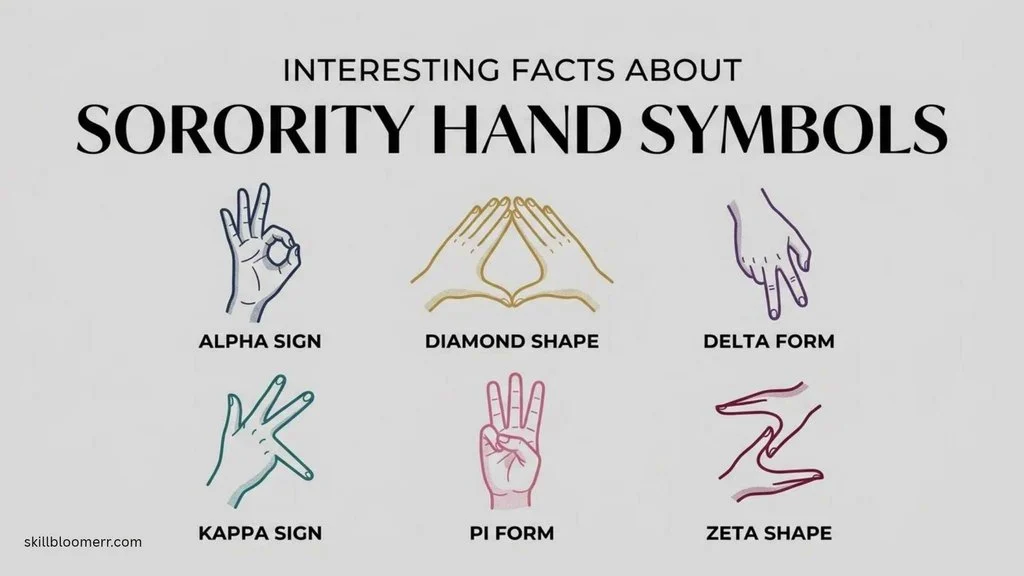
1. Hand Symbols Are Part of a Larger Symbol System
Sorority gestures are rarely isolated. They usually exist alongside other symbols, including:
- Greek letters
- Colors
- Flowers
- Mascots
- Mottoes
- Badges
Together, these elements create an organization’s visual identity.
2. Many Sorority Traditions Started Before Modern Technology
Long before social media, members used symbols through:
- Meetings
- Printed materials
- Events
- Personal interactions
Digital platforms later expanded their visibility.
3. Historically Black Sororities Have Strong Symbolic Traditions
Historically Black Greek-letter organizations are known for preserving rich traditions connected to culture, service, and leadership.
Their symbols often reflect decades of organizational history.
4. Symbols Help Alumni Maintain Connections
Sorority membership often continues beyond college. Alumni may use symbols during reunions, professional events, and community activities.
A simple gesture can reconnect members years after graduation.
5. Symbols Create Visual Recognition
A recognizable hand sign allows members to identify others who share similar experiences and values.
This visual connection can create a sense of community.
6. Hand Gestures Are Different From Official Organization Symbols
A sorority may have official symbols such as:
- Crests
- Shields
- Badges
- Seals
A hand gesture may be a tradition associated with the organization but not always an official emblem.
7. Some Symbols Are Closely Protected Traditions
Certain organizations may limit how their symbols are used or represented publicly.
Members often learn these traditions through official membership education.
8. Photography Increased Their Popularity
Group photos helped make sorority gestures more recognizable. Today, social media has made these symbols visible worldwide.
9. Symbols Can Represent Personal Achievement
For many members, a sorority gesture represents milestones such as:
- Graduation
- Leadership positions
- Community accomplishments
- Lifelong friendships
10. Meaning Comes From Community, Not Appearance Alone
A hand position by itself does not create meaning. The history, people, and culture behind the symbol give it importance.
Related Symbols Connected to Sorority Identity
Greek Letters
Greek letters are the foundation of most sorority identities. They represent organization names and are often displayed on clothing, jewelry, and campus materials.
Sorority Colors
Colors help organizations create recognition and tradition. They are commonly used in:
- Clothing
- Events
- Decorations
- Marketing materials
Sorority Crests and Shields
Many Greek organizations use official designs containing symbols that represent:
- History
- Values
- Achievement
- Membership
Sorority Badges
Badges are traditional symbols worn by members to show affiliation and commitment.
Flowers and Mascots
Many sororities have official flowers, animals, or objects connected to their history and identity.
Frequently Asked Questions About Sorority Hand Symbols
What do sorority hand symbols mean?
Sorority hand symbols usually represent membership, sisterhood, unity, and organizational pride. Their exact meaning depends on the specific sorority and its traditions. Some gestures represent Greek letters, while others symbolize shared values, history, or chapter identity.
Are sorority hand symbols official symbols?
Not always. Some hand gestures are recognized traditions within organizations, but official symbols are usually things like Greek letters, badges, crests, and seals. A hand gesture may represent an organization without being an official trademarked symbol.
Why do sorority members use hand signs?
Members use hand signs to express connection, celebrate achievements, and recognize fellow members. These gestures create a visible sense of community during events, photographs, and gatherings.
Are all sorority hand signs the same?
No. Different sororities have different traditions. A gesture that represents one organization may have no meaning for another. Even within the same organization, variations may exist between chapters.
Can non-members use sorority hand symbols?
People should be respectful when using symbols connected to specific organizations. Some public gestures are widely seen, but copying meaningful traditions without understanding their background may be considered inappropriate.
Are sorority hand symbols related to secret societies?
Sororities are membership organizations, but not all symbols are secret. Many gestures are simply public expressions of identity, friendship, and organizational pride.
Do historically Black sororities use hand symbols?
Yes, many historically Black Greek-letter organizations have strong symbolic traditions. These traditions are connected to organizational history, cultural identity, service, and leadership.
Where can people see sorority hand symbols?
They are commonly seen at colleges, graduation ceremonies, community events, conferences, alumni gatherings, and social media posts.
How are sorority hand symbols different from emojis?
Emojis are universal digital symbols, while sorority hand gestures are cultural symbols connected to specific communities. Their meanings come from organizational history rather than digital standards.
Key Takeaways
- Sorority hand symbols represent identity, unity, and sisterhood.
- Their meanings depend on specific organizations and traditions.
- These gestures developed alongside Greek-letter organizations.
- Historically Black sororities have especially rich symbolic traditions connected to culture and service.
- Hand symbols are different from official sorority emblems such as badges and crests.
- Social media has increased the visibility of sorority gestures worldwide.
- Respectful understanding is important when interpreting cultural symbols.
- The meaning of a symbol comes from the community and history behind it.
Conclusion
Sorority hand symbols are more than simple gestures. They are visual expressions of connection, history, and shared values within Greek-letter organizations. For many members, these signs represent years of friendship, personal growth, academic achievement, and commitment to service.
Understanding sorority hand symbols requires looking beyond the shape of the gesture itself. Their true meaning comes from the people, traditions, and cultures that give them importance.
Whether seen on a college campus, in a graduation photo, or during a community event, these symbols continue to represent belonging and the lasting relationships created through sorority membership.

 Olivia Hartwell